• A review of AI-driven cell niche identification for TCM research

    Targetome, 2026

    Post thumbnail
    Post thumbnail
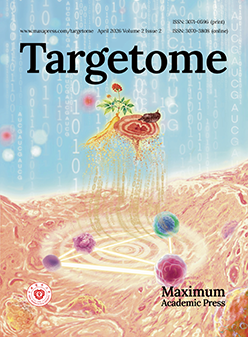
    The therapeutic effects of traditional Chinese medicine (TCM) are characterized by holistic and systematic regulation of the organism, typically achieved through coordinating tissue microenvironments and multicellular interactions. However, conventional molecular biology approaches struggle to precisely characterize cellular composition, spatial architecture, and associated microenvironment (cell niche) at the tissue level, constraining a comprehensive understanding of the mechanism of action of TCM. In recent years, the rapid advancement of single-cell and spatial omics technologies, together with artificial intelligence (AI)-driven computational methods, has enabled systematic deciphering of cell niches within complex tissues, offering new opportunities for TCM research. Centered on the cell niche, this review outlines its conceptual development and research progress, with a particular focus on recent advances in AI-assisted cell niche analysis based on single-cell and spatial omics data. We further summarize representative scenarios of cell niche analysis in TCM research, while discussing current challenges and future directions, highlighting its potential to provide a new perspective and analytical paradigm in TCM. [Read More]
    Tags:
  • A new drug-drug interaction prediction method

    Briefings in Bioinformatics, 2026

    Post thumbnail
    Post thumbnail
    Identifying drug-drug interactions (DDIs) is a critical task in pharmaceutical research and clinical applications, as these interactions can pose serious medical risks. Deep learning models, known for their ability to accurately predict DDIs, have become powerful tools for enhancing prediction accuracy and efficiency. However, many existing approaches fail to fully incorporate chemical information and lack interpretability when exploring DDI mechanisms. In this work, we propose TRACE, a transformer-based graph representation learning framework that integrates chemical knowledge into DDI prediction. Extensive experiments demonstrate that TRACE outperforms state-of-the-art baseline models under both in-distribution and out-of-distribution settings, highlighting its strong predictive performance and generalization ability. In terms of interpretability, TRACE leverages its attention mechanism to effectively identify high-risk substructures that may trigger DDIs. In summary, TRACE not only provides new perspectives for elucidating the underlying causes of DDIs through interpretable substructure analysis but also offers robust predictive performance to support drug development and combination therapy. [Read More]
    Tags:
  • An integrated resource for ischemic heart disease

    Acta Pharmaceutica Sinica B, 2026

    Post thumbnail
    Post thumbnail
    Ischemic heart disease (IHD), a leading cause of mortality worldwide, is primarily caused by atherosclerosis. Currently, the pathology of IHD is still not fully understood. Decades of pharmacology research have accumulated a wealth of knowledge on genetic pathology, but conventional approaches cannot resolve tissue microstructures and cell dysfunctions1. Single-cell RNA sequencing (scRNA-seq) and spatial transcriptomics (ST) paved new roads for IHD research. However, technical limitations and inadequate sample volume still hindered understanding of cells and tissue architecture at different stages of IHD2. Furthermore, the inconsistency of experimental operations and computations between laboratories make cross-validation of different studies less reliable. In this letter, we introduced Spatial Single-cell Ischemic Heart Disease Browser (ssIHDB), a comprehensive, spatio-temporally resolved resource that integrated single-cell and spatial transcriptomes with a manually curated knowledgebase of genes, drugs, and comorbidities relevant to IHD (https://xomics.com.cn/ihdb/). [Read More]
    Tags:
  • A review of AI-based TCM network pharmacology methodology

    Chinese Journal of Natural Medicines, 2025

    Post thumbnail
    Post thumbnail
    Network pharmacology has gained widespread application in drug discovery, particularly in traditional Chinese medicine (TCM) research, which is characterized by its “multi-component, multi-target, and multi-pathway” nature. Through the integration of network biology, TCM network pharmacology enables systematic evaluation of therapeutic efficacy and detailed elucidation of action mechanisms, establishing a novel research paradigm for TCM modernization. The rapid advancement of machine learning, particularly revolutionary deep learning methods, has substantially enhanced artificial intelligence (AI) technology, offering significant potential to advance TCM network pharmacology research. This paper describes the methodology of TCM network pharmacology, encompassing ingredient identification, network construction, network analysis, and experimental validation. Furthermore, it summarizes key strategies for constructing various networks and analyzing constructed networks using AI methods. Finally, it addresses challenges and future directions regarding cell-cell communication (CCC)-based network construction, analysis, and validation, providing valuable insights for TCM network pharmacology. [Read More]
    Tags:
  • A comprehensive benchmarking for spatial clustering methods

    iMeta, 2025

    Post thumbnail
    Post thumbnail
    Spatial clustering is a critical step in the analysis of spatially resolved transcriptomics, serving as the foundation for downstream investigation of tissue heterogeneity. Although numerous computational tools have been developed, systematic benchmarking across different technologies, organs, and biological replicates has been limited. Here, we present a comprehensive evaluation of 14 spatial clustering methods using approximately 600 datasets, including both real-world and simulated data with ground truth. We evaluated accuracy and applicability across diverse technologies and organs, revealing method-specific strengths and preferences. Using simulation of adjacent tissue slices and spatial neighborhood disruptions, we further examined performance in the context of biological replicates. Furthermore, we investigated how data characteristics, spatial distribution patterns, and preprocessing pipelines influence clustering outcomes. Together, our results provide practical benchmarking guidance, enabling researchers to select appropriate spatial clustering methods tailored to specific technologies, organs, and biological replicates. [Read More]
    Tags: